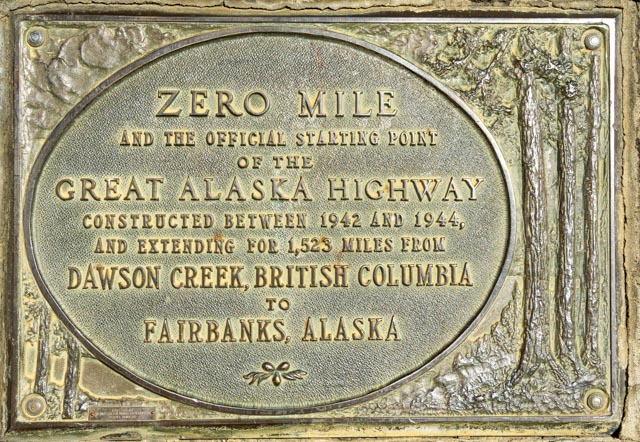
Being in Dawson Creek, we had to visit the historical Mile Zero monument.
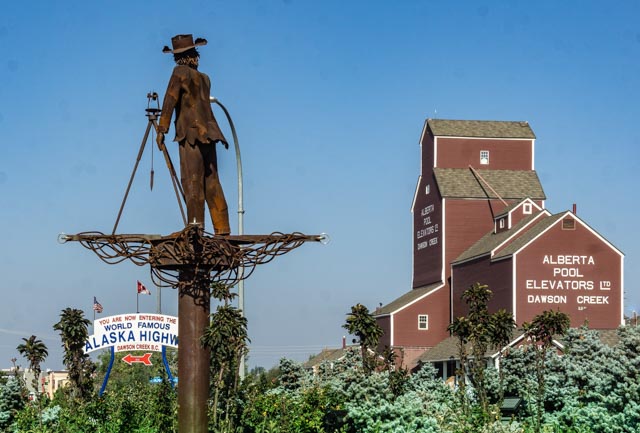
I was able to photo the iconic Alberta Grain site, the Alaska Highway Arch and the monument to the surveyor that plotted the original highway, all in one photo!
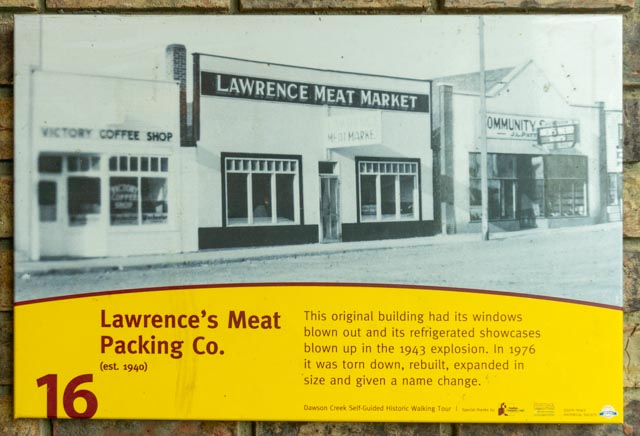
We walked downtown and happened by this Meat Packing Company. Going inside we were amazed at the variety of meats being offered and at prices that were even better than what we could find at Costco (once the CAN$ were converted to $US). We left a steak and Guinness pie and several other delicacies.
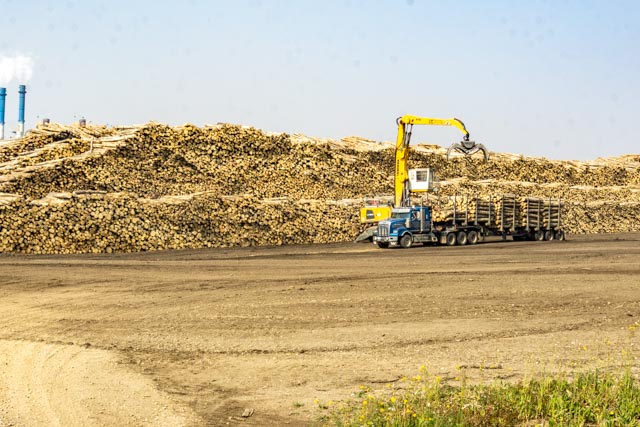
Have you ever seen a woodpile like this? It went on and on.
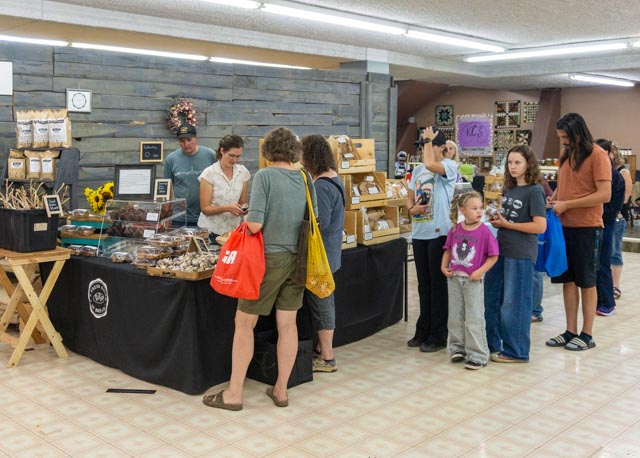
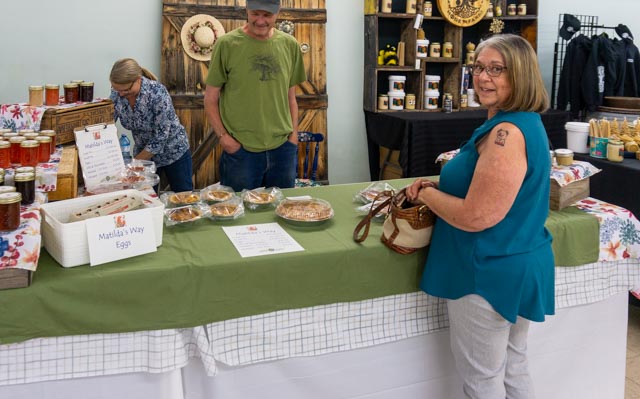
We were in Dawson Creek for an extended period due to mechanical issues so we were able to visit the Thursday Farmers Market held in the basement of one of the original buildings downtown. The first photo is the line for cinnamon buns (I got one) and the second photo is Cathy buying a nectarine and plum pie.
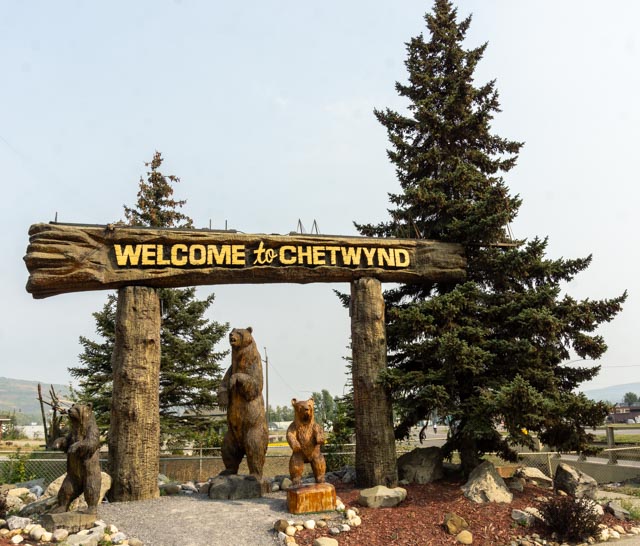
Since we were staying in Dawson Creek for a few days, we decided to go back to Chetwynd, which we passed through in 2016. The “Welcome to Chetwynd” sign at the entrance to the town is a bit unusual.
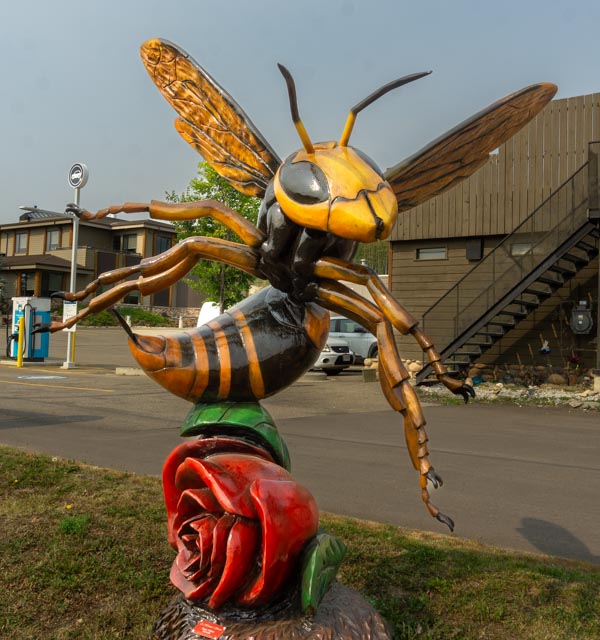
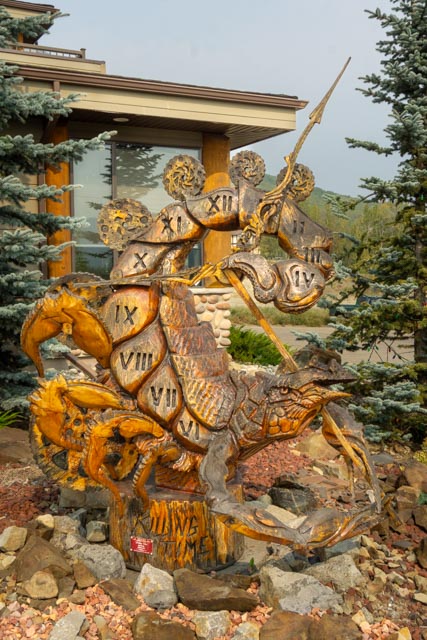
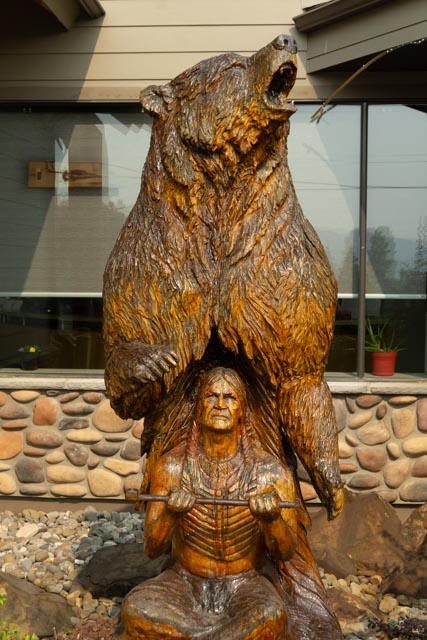
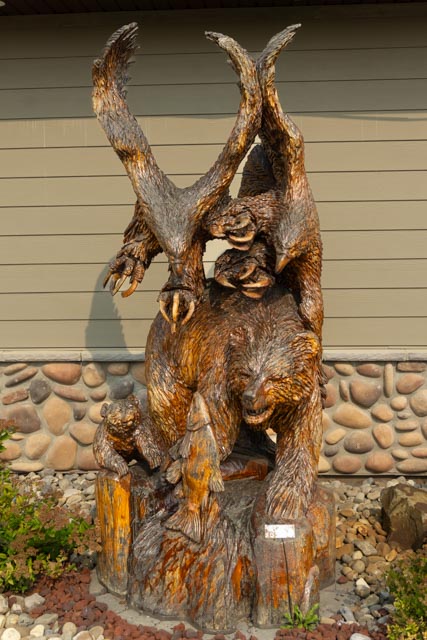
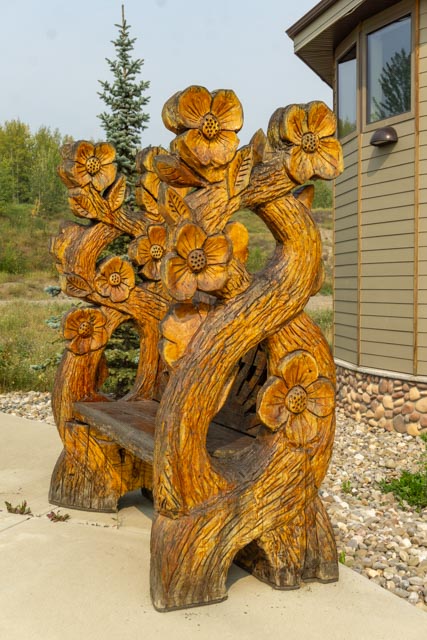
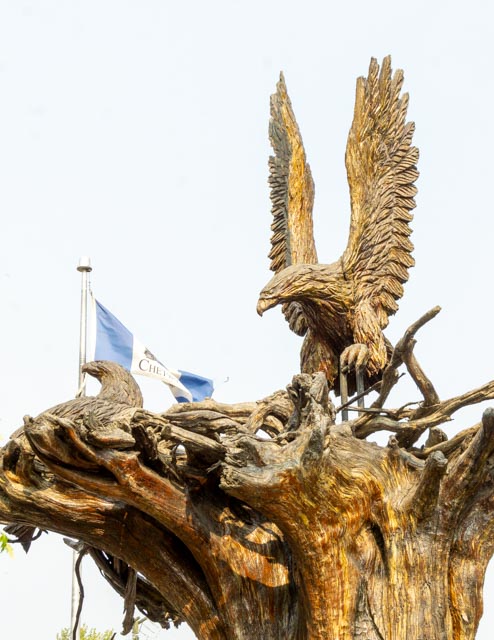
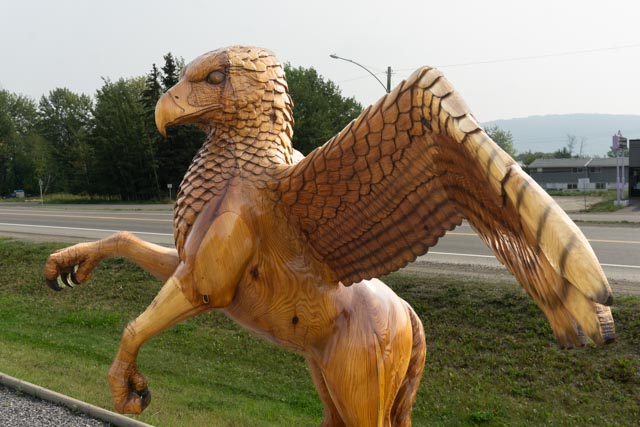
On our first trip through Chetwynd, there were about three of these carvings displayed. Today, there are well over a hundred (180 to be exact) carvings throughout the town. This has become the home of the International Chainsaw Carving Competition held annually on the second weekend in June.
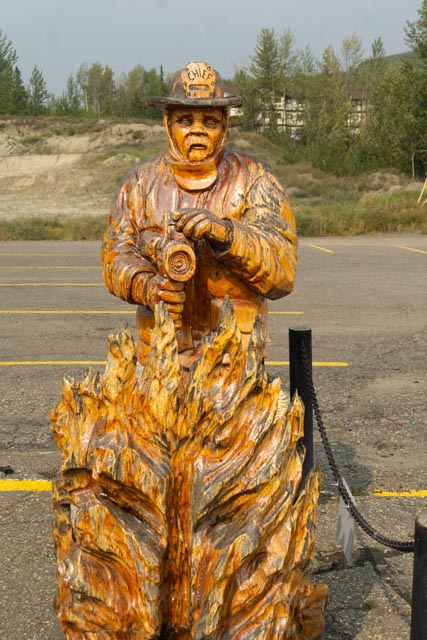
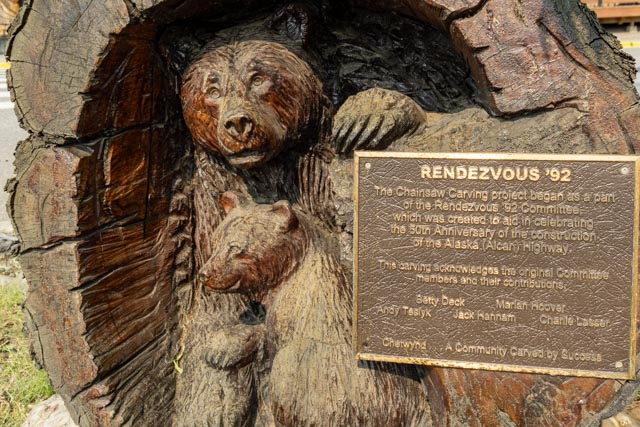
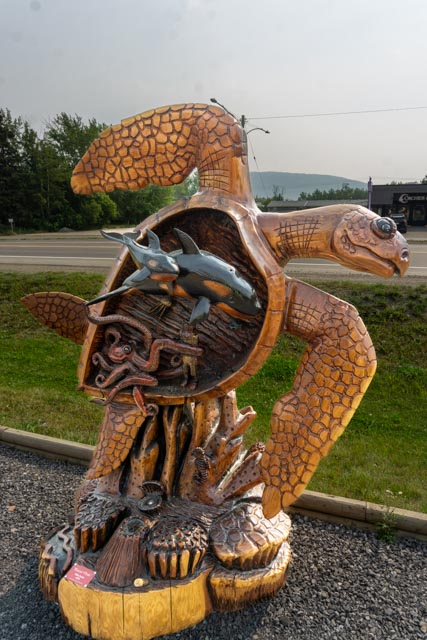
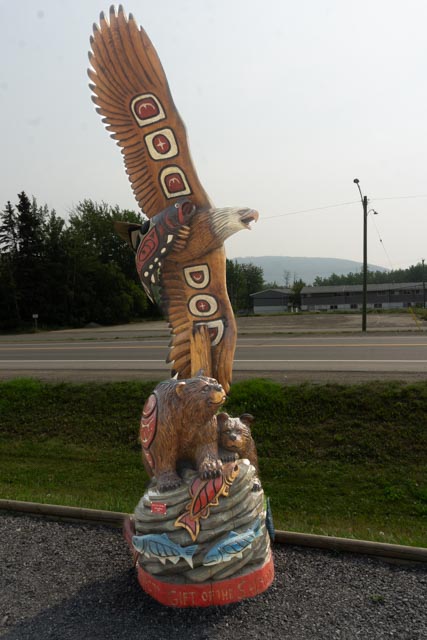
The first photo was appropriately in front of the fire station, and the second photo is from the competition in 1992.
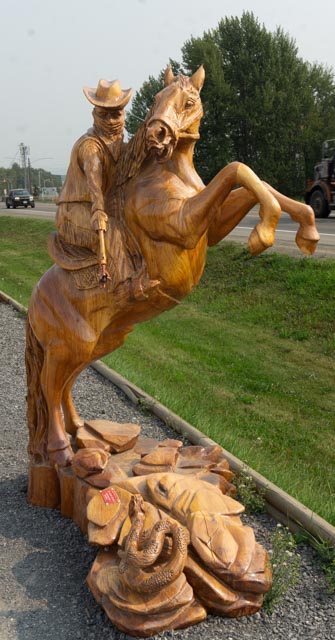
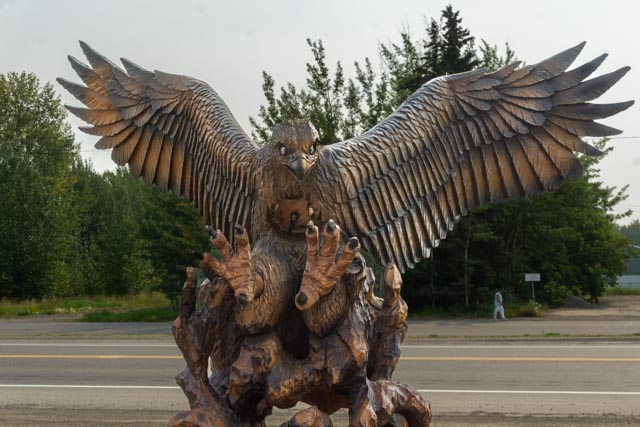
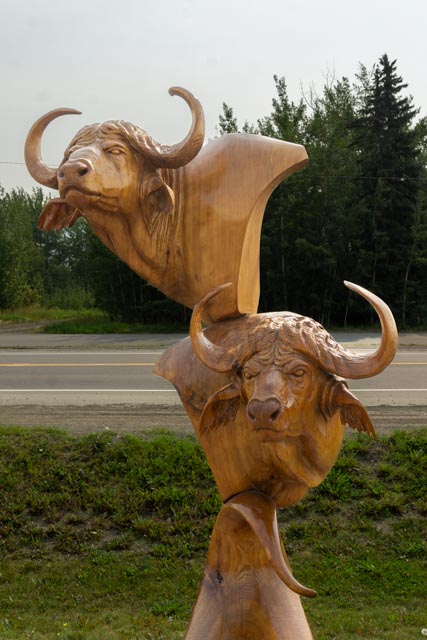
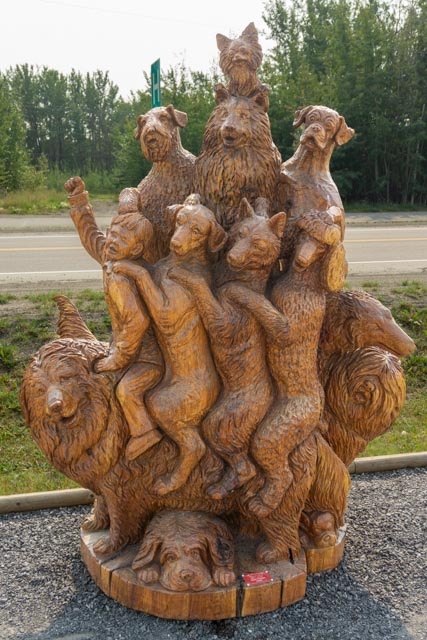
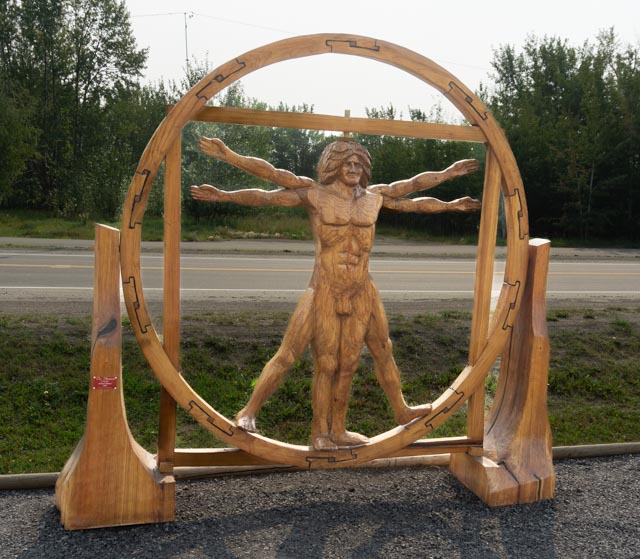
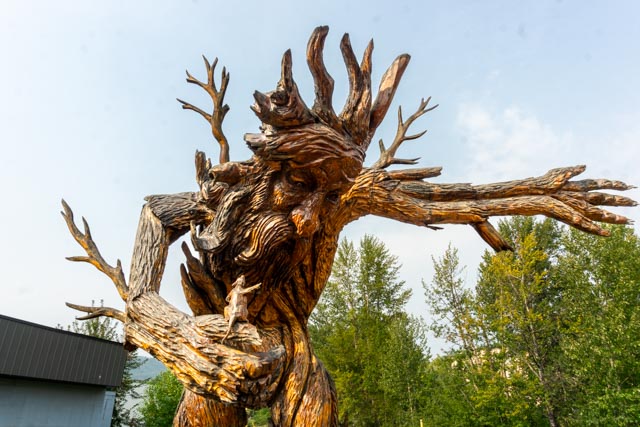
I took more photos from recent competitions. The cowboy is shooting a rattlesnake in the first photo and the third photo was the overall “choice” as winner in a recent competition. The town has changed drastically over the years as we could hardly recognize it now!
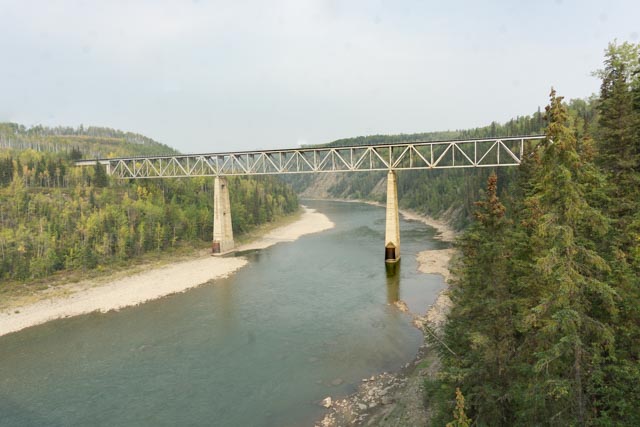
This is a photo of the Pine River and the CNR (Canadian National Railway) bridge crossing on the way back to Dawson Creek. This is just south of the East Pine Provincial Park entrance.
After visiting the town of Chetwynd, we decided to spend some time at the Walter Wright Pioneer Village in Dawson Creek. We quickly determined that (during a previous visit) we did not have or spend the time necessary to fully explore it. We spent several hours there this time.
Wright was a longtime resident and businessman of Dawson Creek and had a passion for the preservation of pioneer history. This village is a collection of original buildings that were carefully moved from the surrounding countryside to the first site which was by the airport on Highway 2 (across town) and historic replicas that were painstakingly rebuilt with the help of the local community college. To complete the picture, donations of the artifacts, vintage vehicles and farm machinery tell the story of the areas first settlers.
The Walter Wright Pioneer Village was officially reopened at its new location in June of 1992 as part of the Rendezvous ’92 Celebrations of the 50th Anniversary of the Alaska Highway.
The first building was the Taylor Home. Fred and his sister emigrated with their parents from England to Calgary, AB. Believing in the theory that the further you get away from civilization, the more freedom you have, they moved into the wilderness of this area in 1916 and filed a homestead in 1917. As adults they constructed this home in Riley’s Crossing, 10 miles east of Dawson Creek in 1928. The home is packed with period furniture and appliances, and artifacts.
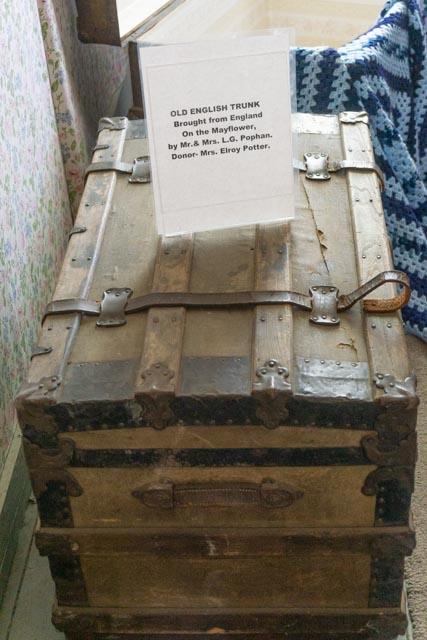
We saw this travel chest in an upstairs room and noted that is was brought from England on the Mayflower!
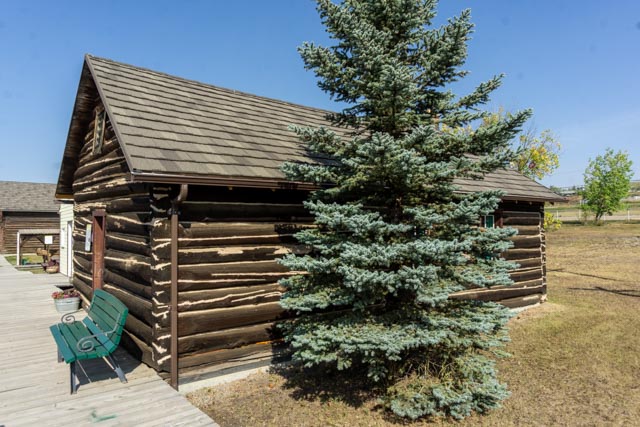
Built in 1916, this was the Dawson Creek School. It was intentionally built on the south side of the creek to be near families (as the settlers on the north side of the creek were all bachelors). It was originally called the Pouce Creek School and was closed in the fall of 1918 due to lack of students. Timing is everything. An influx of settlers in 1919 required it to reopen, this time as the Dawson Creek School.
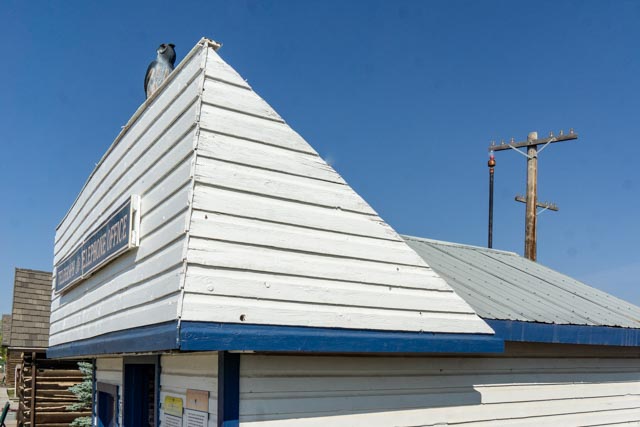
This is the roof of the Telegraph and Telephone Exchange. If a fire or other emergency was called it to the exchange, the operator would switch on the red light on the roof (originally located on the roof of the Dawson Hotel). Upon seeing the light, the police would contact the operator to determine the details of the request for assistance and the location. The signal light was salvaged prior to the demolition of the hotel.
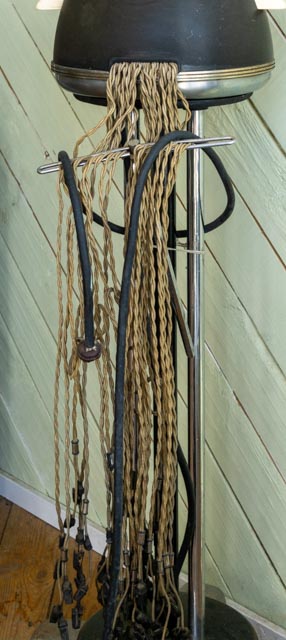
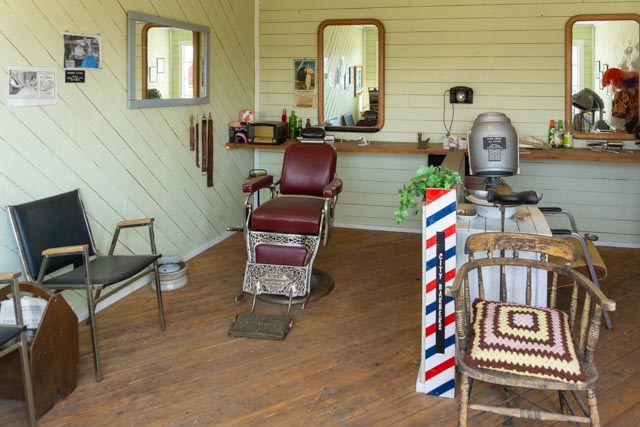
I am told this was a device for curling hair. It was located in the local beauty salon and barber shop. It almost looks like a torture device.
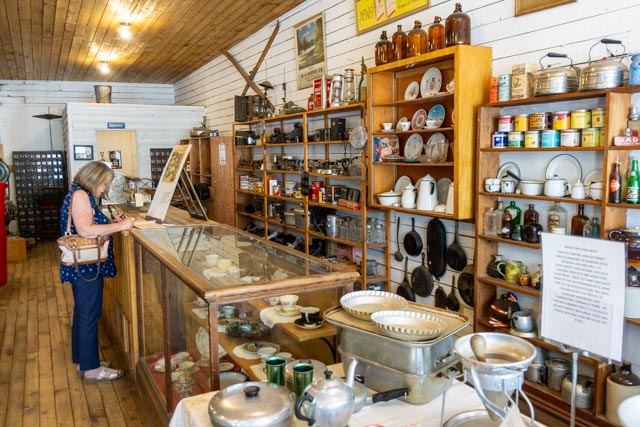
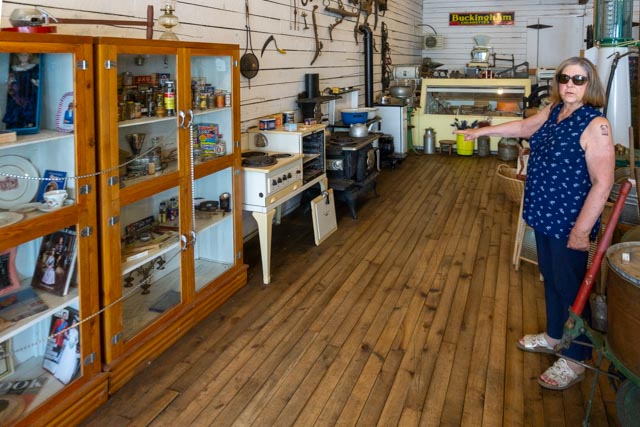
Wes Harper’s General Store was located on the original town site, two miles southwest of the present city. It was moved in 1930s to be closer to the railroad depot where the new Dawson Creek was springing up. It was moved on skids by three borrowed tractors from the railroad yard. The store stayed open during the move!
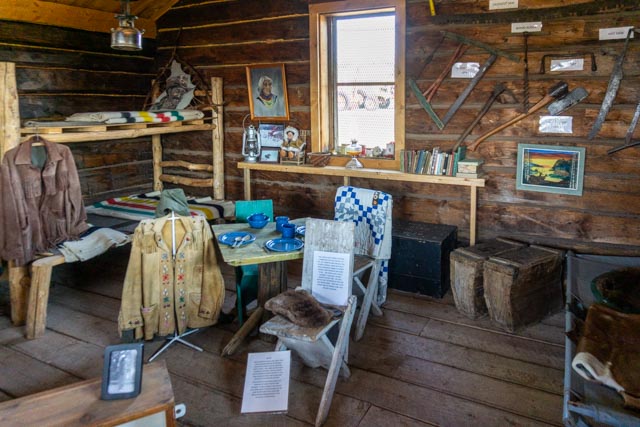
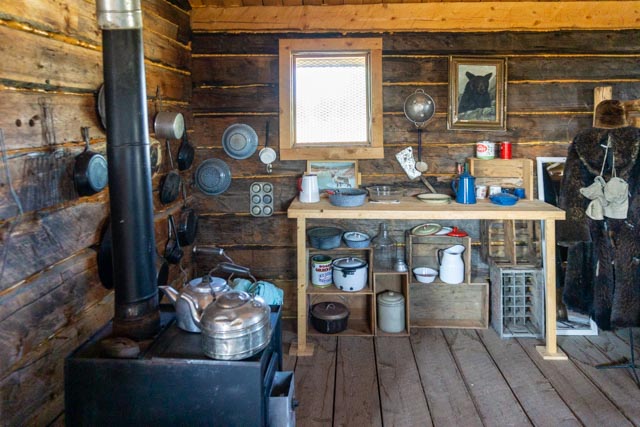
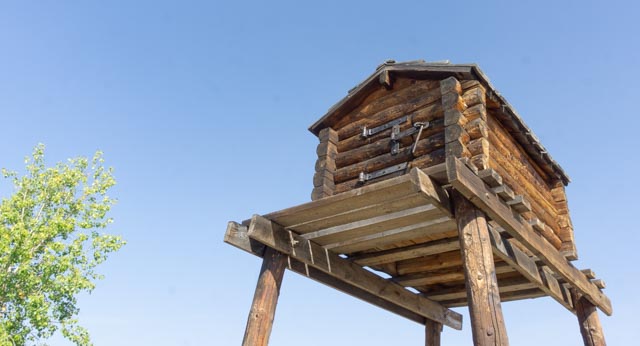
This cabin was built in 1930-1931 by the Lars & Inga Paulson family who homesteaded in the nearby Kilkerran area. It wall built with wooden pegs instead of nails in the corners. It originally had an earthen floor and was occupied until 2012.
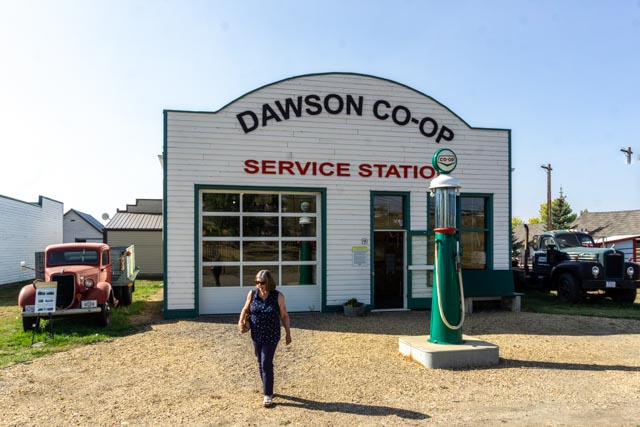
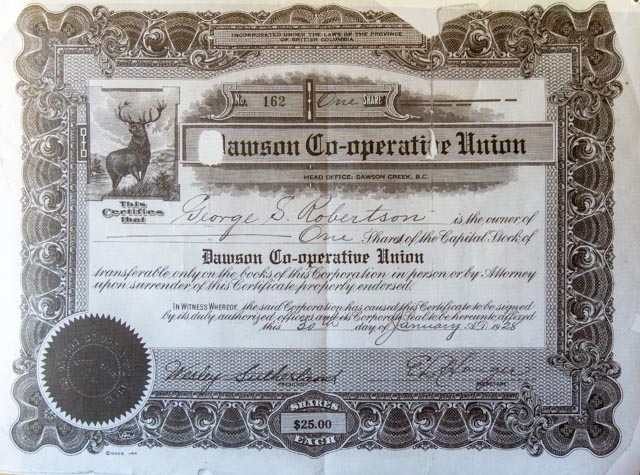
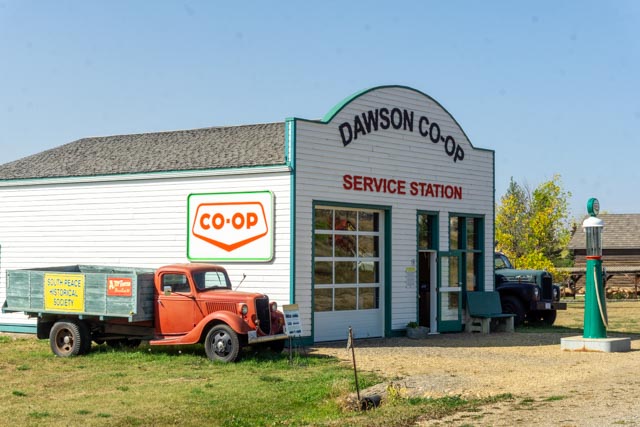
Founded on May 21, 1921, the Dawson Co-Op holds the distinction of being the first co-operative formed in the Peace Region area (Dawson Creek). The Co-Op reported a net surplus of $350.86 in its first year.
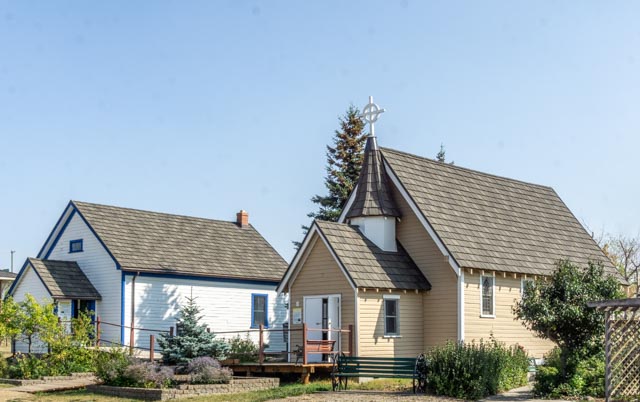
This is Pouce Coupe Central School, built in 1918 at McQueen’s Lake, three miles northeast of Dawson Creek and served as a community hall until 1971 (background) and St. Paul’s Anglican Church, built in Kilkerran, 10 miles northwest of Dawson City. This church has been moved three times and remains solid and is a popular venue for summer weddings. (foreground).
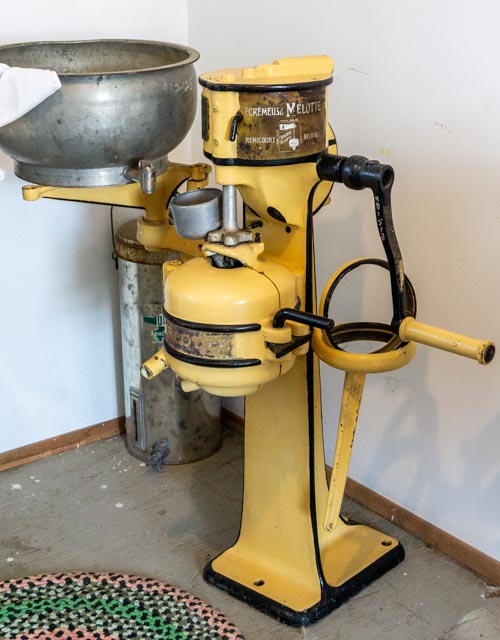
This food grinder was in one of the homes, it stands about three feet high. A big one, eh?
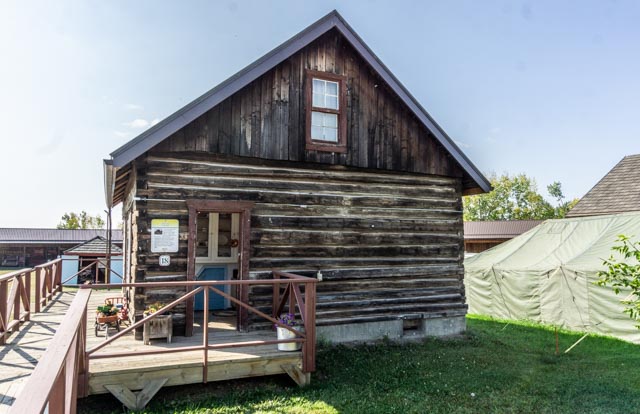
This house was completed in the fall of 1917 by two brothers, Alphonse and Oscar Marion. It was occupied until 1966 and was moved to Pioneer Village in 1995.
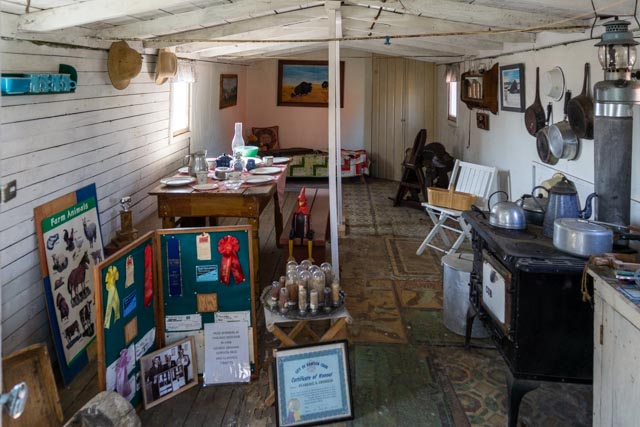
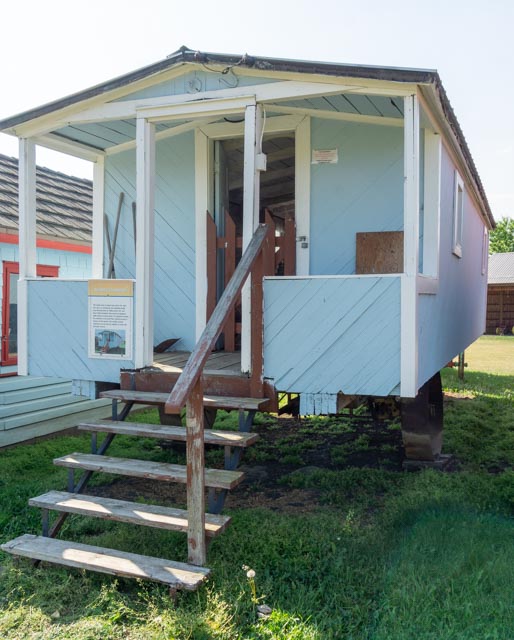
This is the exterior and interior of a mobile kitchen, built to accommodate workers during harvest in the grain fields. Time was critical and this was the solution to keeping the workers fed.
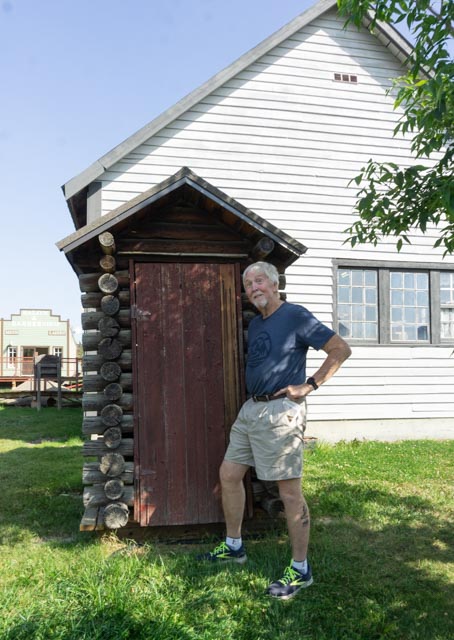
When in need, one is always available.
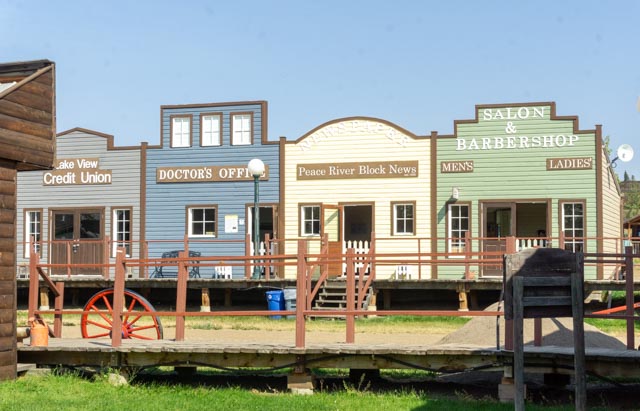
This is a random photo of some of the storefronts in the village.
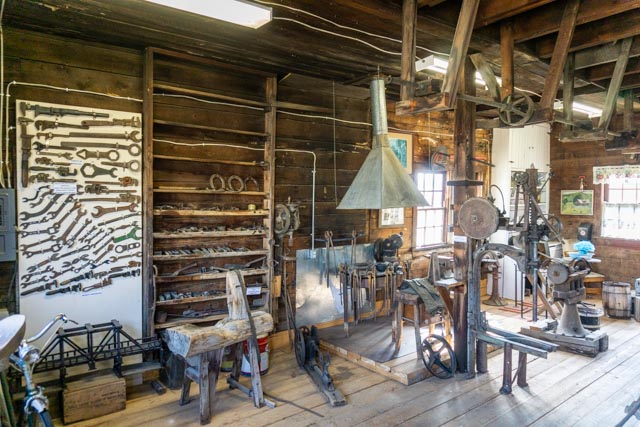
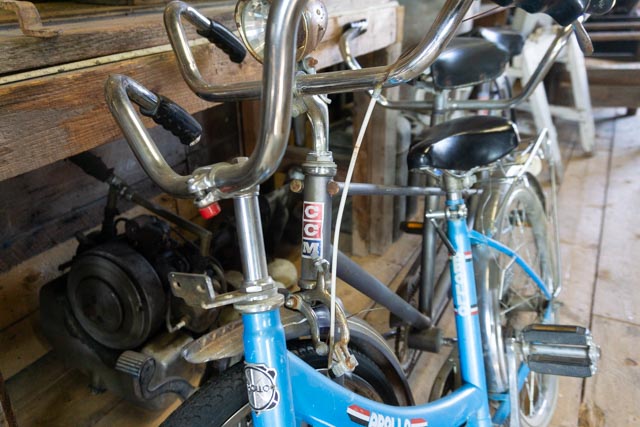
This is the Loiselle Blacksmith Shop. As with all the buildings, visitors are allowed to walk through. This shop was built by Napoleon Loiselle in 1937. Loiselle was a blacksmith, machinist and farmer. As we walked through, we noticed the manufacturer (CCM) of Loiselle’s bicycle in the back. I thought they only made hockey equipment! In the 1950s Loiselle built a tracked caterpillar from scrap automobile parts. Word of his invention traveled east to the Massey-Harris Company in Toronto which was one of the leaders in building farm machinery. They made an employment offer to help him move to Toronto but Loiselle declined, not wanting to move to a big city.


Looks like you made good use of your time in and around Dawson’s Creek! The chainsaw carvings are incredible. That would be a fun festival to attend!
Brent
LikeLike