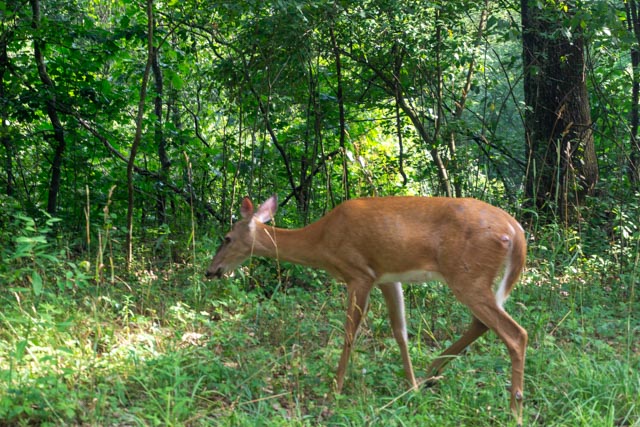
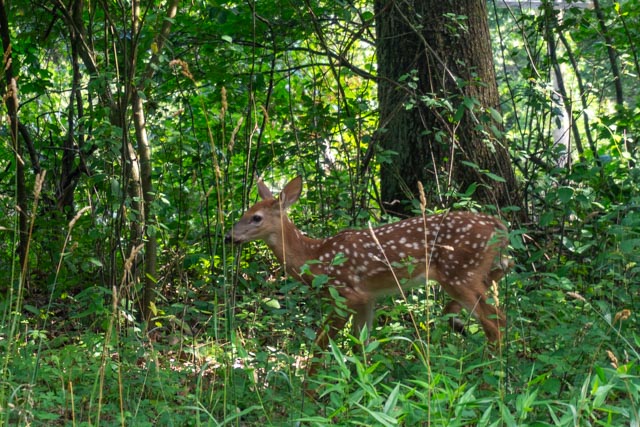
We saw a mama deer and her baby roadside on the way into the Lehigh Gorge.
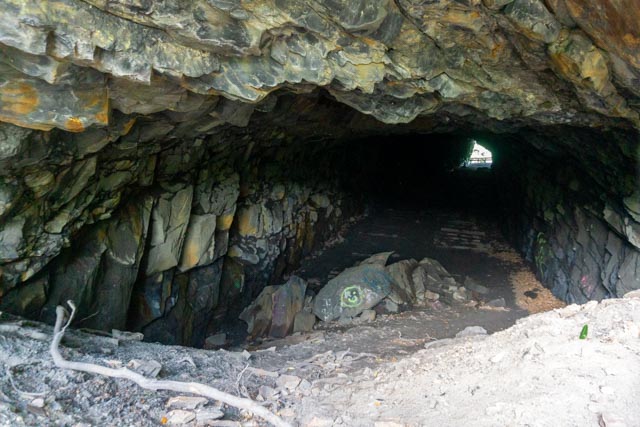
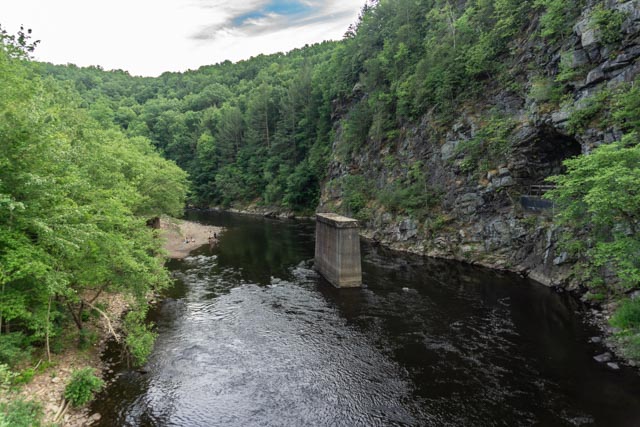
We took these pictures looking through the abandoned railroad tunnel, then walked the bridge and took in the view of the river.
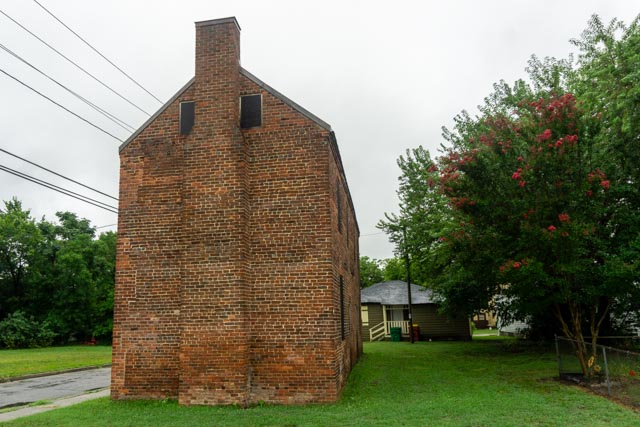
Now we have left Pennsylvania and are in Virginia!
This is the Jarrett house, circa 1819. It is thought to be the oldest house in Petersburg.
Archeological evidence puts Native Americans in this area as far back at 6500 BC.
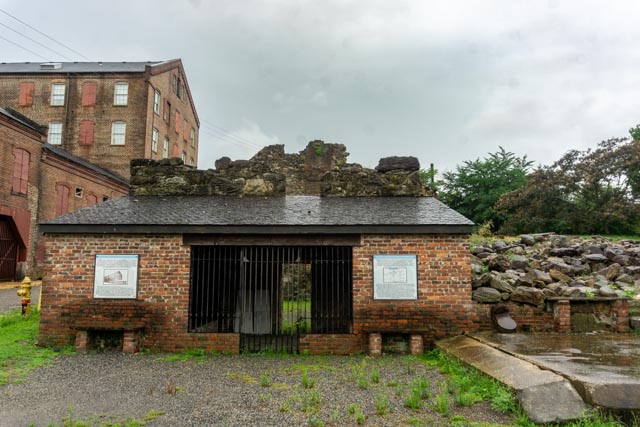
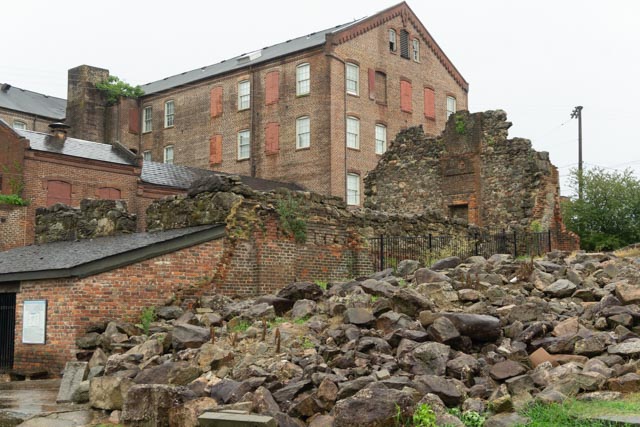
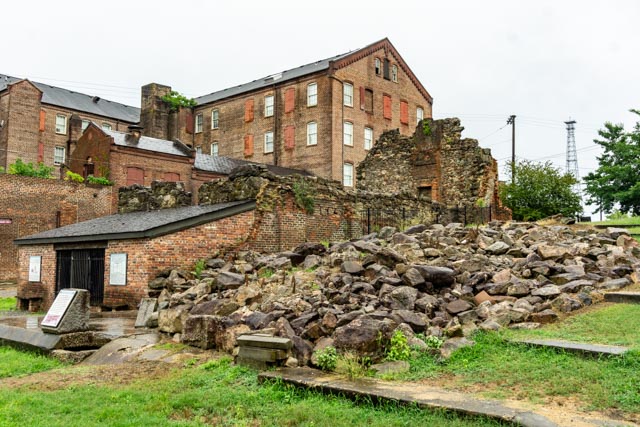
We found some neat abandoned buildings, including a factory in downtown Petersburg. This town was bombed by U.S.Grant during the siege of Petersburg, late in the Civil War.
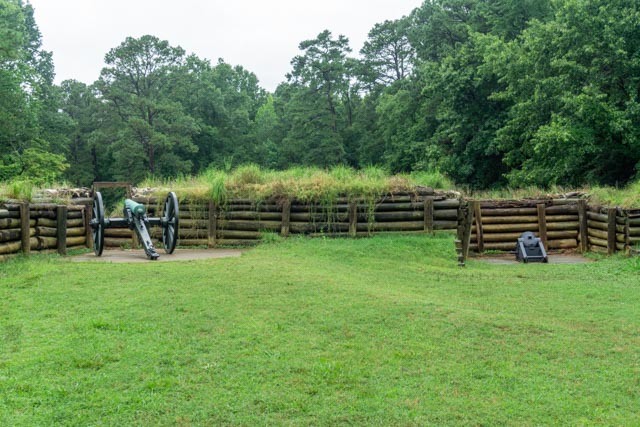
We drove the tour of the Eastern Front of the Petersburg battle. This is Confederate Battery 9 and contains examples of siege fortifications and related structures. A smooth bore cannon on the left and a mortar is on the right, behind breastworks and earthen fortifications.

I do not know what this apparent bunker was used for but recent rainfall appears to have filled it up. In the background is another cannon with caisson.

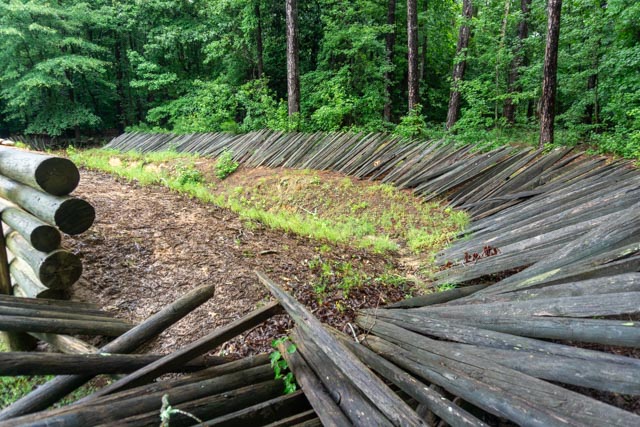
Outside the battery, if the cannon, mortar and gunshots don’t stop you, the battery defenses included pickets surrounding a moat (of sort) backed by a log and earthen wall backed by rifle-carrying soldiers will.
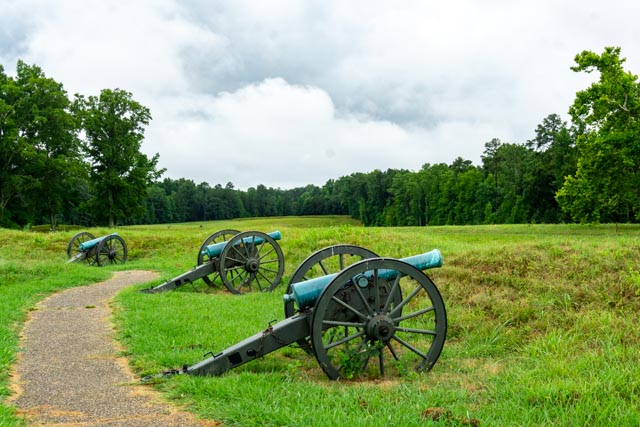
This is Fort Haskell. Here Union artillery along with heavy infantry fire, stopped the Confederates’ southward advance during the battle of Fort Steadman.
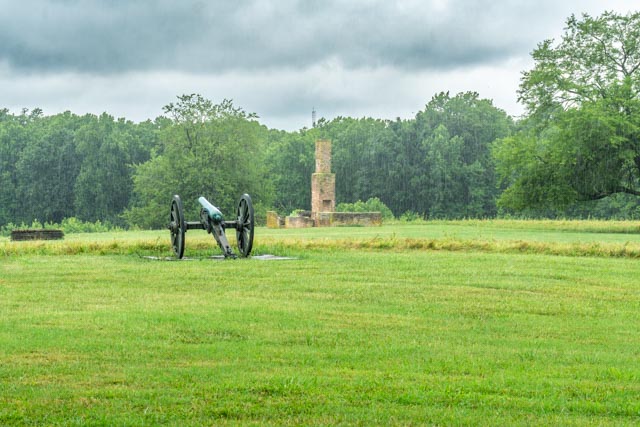
This is Fort Morton. From here at what is known as the “14 gun battery”, Major General Ambrose Burnside, commander of the attacking Union force witnessed the Battle of the Crater unfold.
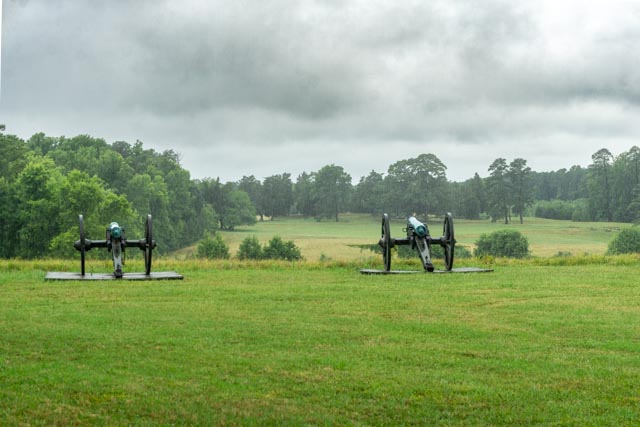
Another photo of the gun placements at Fort Morton is shown above.
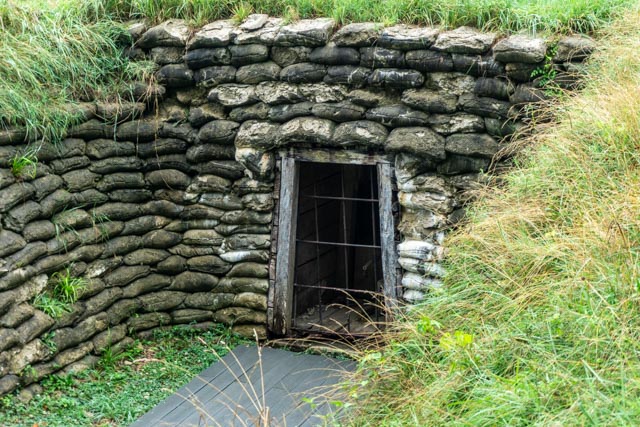
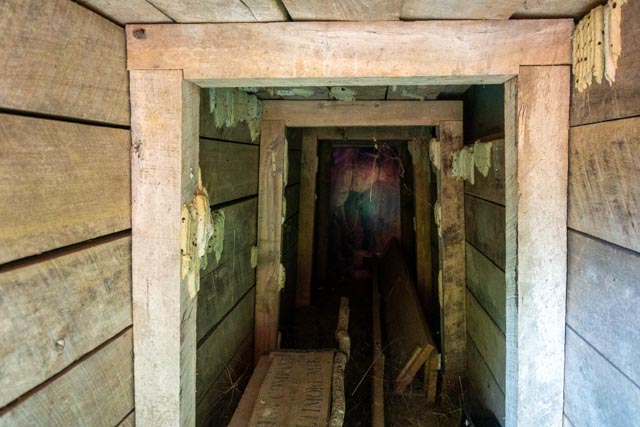
The Battle of the Crater tunnel: Here on July 30, 1864, at a part of Lee’s line known as Elliot’s Salient, Union troops exploded a mine under the Confederate battery attempting to create a breakthrough into Petersburg. Union troops dug a tunnel into the center of the Confederate battery and after failing to take the stronghold traditionally, loaded the tunnel with 800 kegs of gunpowder and blew it to pieces, instantly killing at least 150 Confederates and creating a crater about 30 feet deep. The follow-up attack by the 9th Corps failed miserably.

The Confederates, sensing that the Union might be tunneling under them created two “listening galleries” to detect underground activity. As you can see in the background, they missed the Union tunnel by at least fifty feet. The listening galleries have collapsed over the years, creating these depressions.

This monument, located near the Battle of the Crater is for Major General C.S.A. William Mohon. Mohon was the Commander of the Confederate troops holding this position during the explosion, and despite heavy losses still managed to win the battle.
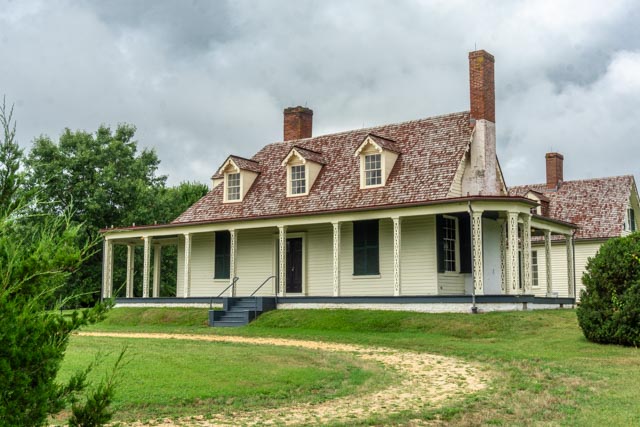
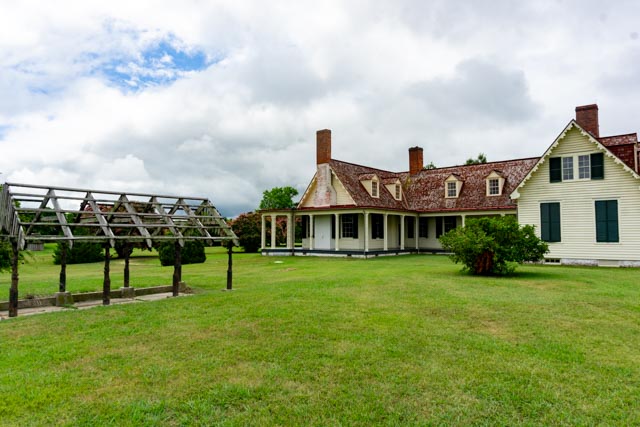
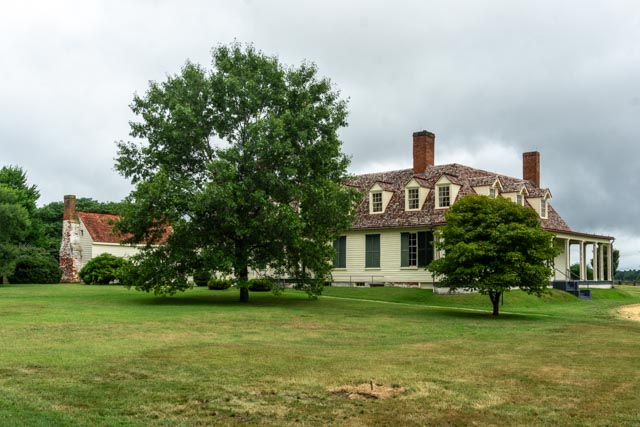
This is the main home at Appomattox Plantation, originally built for Captain Francis Epes in 1635. The Epes family has continually owned this land for a period longer that any family in the United States. It was first settled by Sir Thomas Dale in 1613. This area was originally called Bermuda Cittie, and is now referred to as City Point.
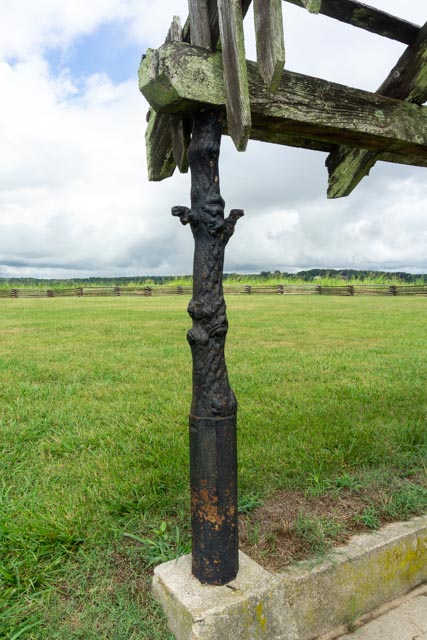
There is attention to detail on a cast post (one of eight) holding up what appears to have been a pavilion.
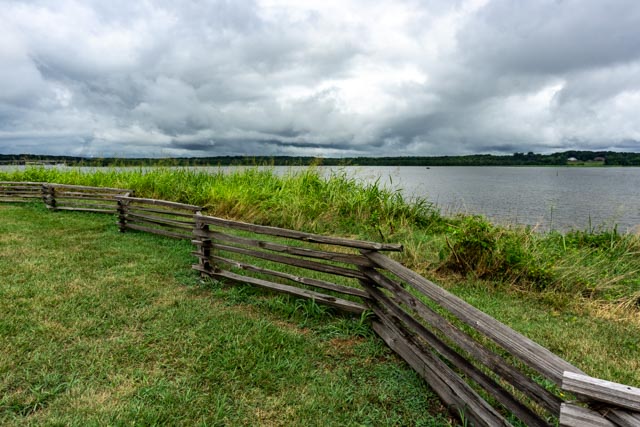
Here is the view looking out on the James River from the plantation. During this period of the war, this was the busiest port in the world, supplying the Union Troops.
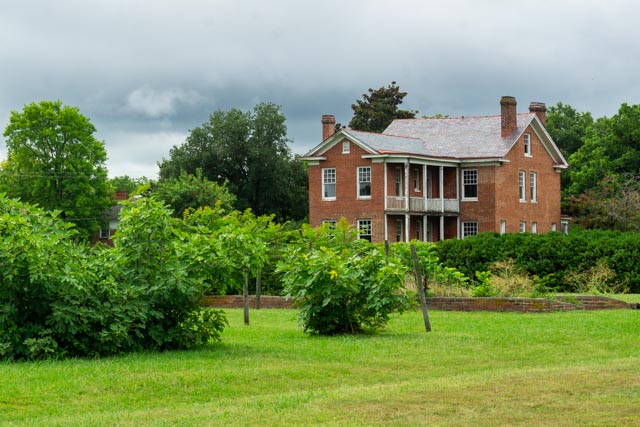
There are many old homes still standing in the neighborhood.
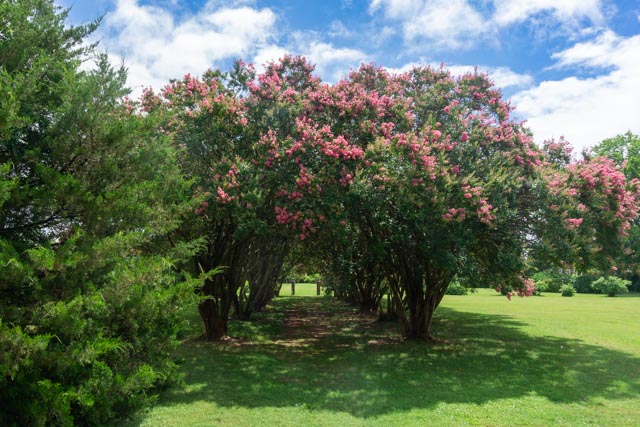
Looking down these rows of crepe myrtles, you can see the cast iron archway leading to another home which is no longer there.
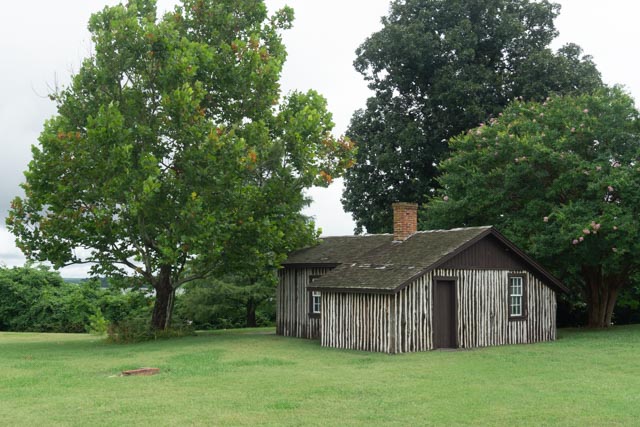
The cabin remains on Epes property where General Grant stayed during the Petersburg Campaign. He lived here, with his wife, for about nine months. President Lincoln visited here to get updates on his progress. The President stayed on his yacht anchored in the James River to escape the possibility of sniper fire. There were twenty similar cabins lined up between this and the main house during The Civil War.
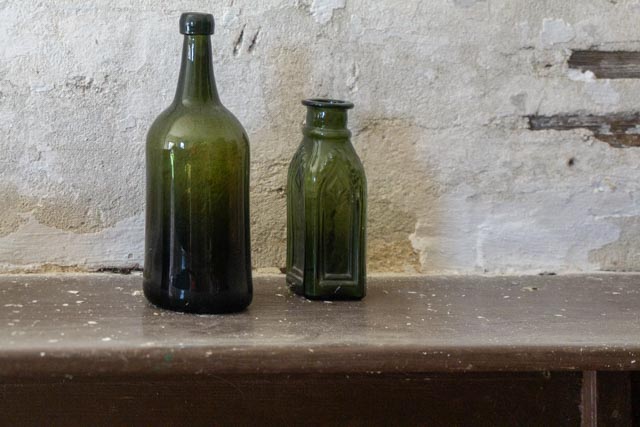
This surprised me; the bottle on the left is worth about $20-$30 dollars. The smaller bottle on the right appears to be a Willington pickle and original. If I am correct, it is worth many tens of thousands of dollars. I don’t think they really know what they have here.
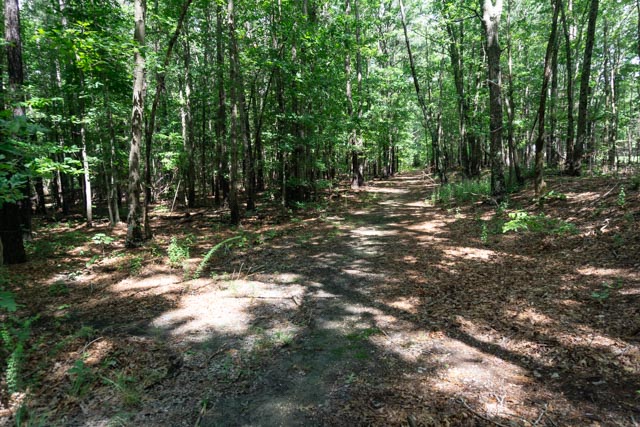
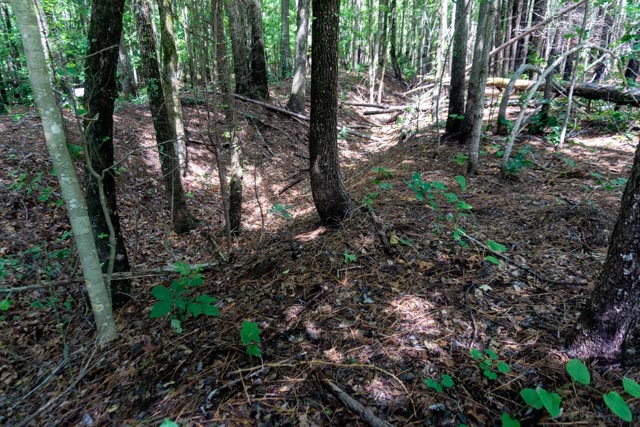
On the first attack at Five Forks, the Confederates beat back the Union on White Oak Road, in the battle of White Oak. You can see the Confederate breastworks to the right of the road. Union troops fell back to the Quaker meeting hall at Gravelly Run, regrouped and attacked with an overwhelming force under Major General Gouverneur Warren, taking the roadway and heading to Five Forks to cut the sole remaining Confederate supply line.

Cathy and I took a a hike on the grounds of the Five Forks Battlefield. This battle was a crucial last stand for the Confederates. If the Union took the South Side Railway, Lee’s last supply artery would be broken. General Pickett led the Confederates and Major General Philip Sherman led the Union army. The Union army routed the Confederates and pursued them to Appomattox Court House where Lee surrendered the Army of Northern Virginia

 Travelling with the Schinglers