I was overcast as the day began, but we had already decided to return to the Ash Meadows Wildlife Refuge and continue exploring the site. This is the scene as we are approaching our first stop, the Rogers Spring. A flock of native Gambel’s quail crossed the road in front of us.

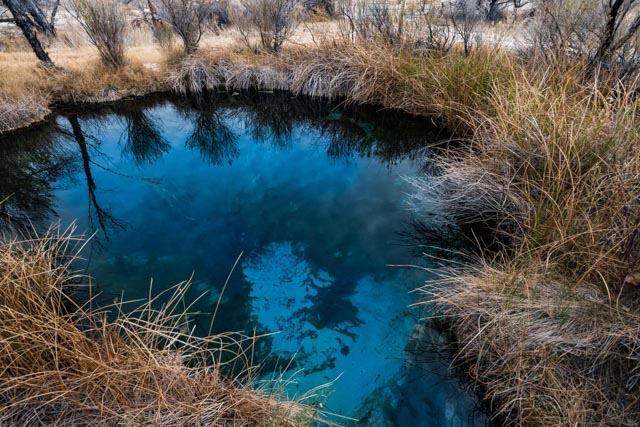
This is the end of the jeep road, the Rodgers Spring. It is amazing how these colorful springs dot the landscape in this desert oasis.
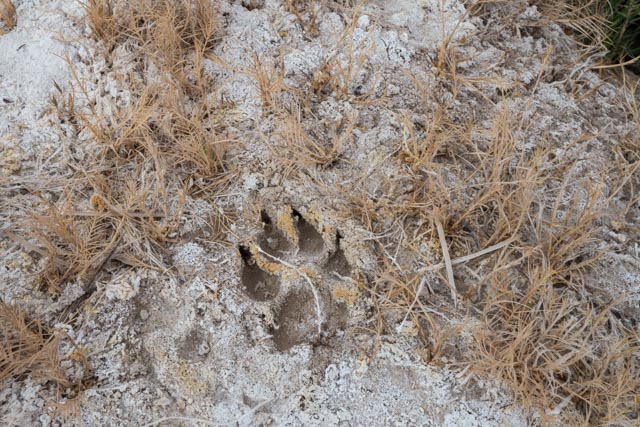
We did not see another individual for at least five miles getting to this site, but did see evidence of a very large cat during our walk-around.
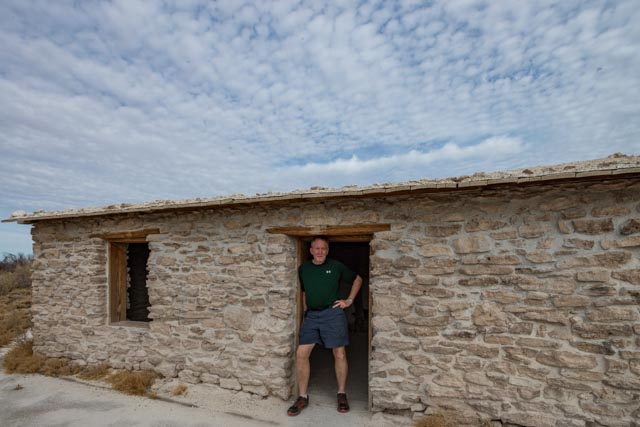
Our second stop was at the original cabin of infamous prospector, gunman and horse breeder, Jack Longstreet. I have (and previously read) a book on Jack Longstreet so it was pretty neat to see where he actually lived. Cathy spotted a very large desert jack rabbit in the bush while we hiked in to this cabin.

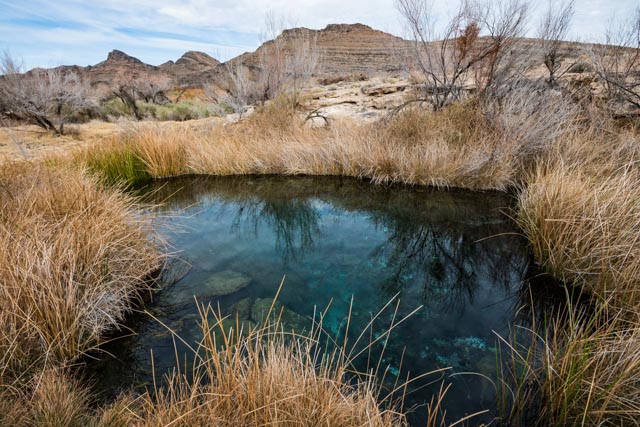
This is the spring in the front of the home. This particular spring is called a “bubbling or cauldron spring” and has fine white sand bubbling/erupting in the center. This spring is somewhat cooler that other springs in the area, about 78 degrees and is flowing at a constant 16 gallons/secord.

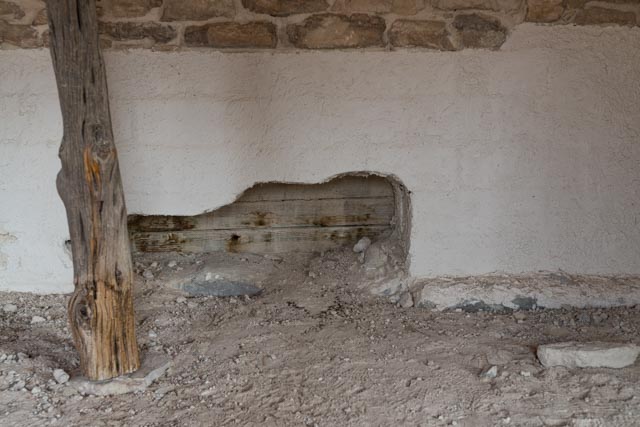
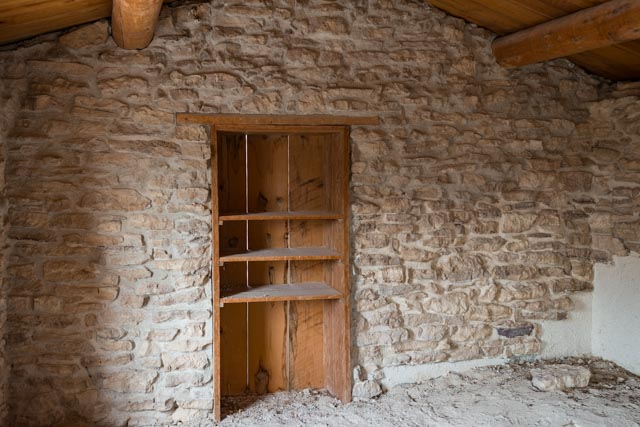
Inside the home, there was a hollowed out space on the back wall, cooled by the spring under and behind the house, that enabled him to store perishables deep here in the desert in the late 1890’s.
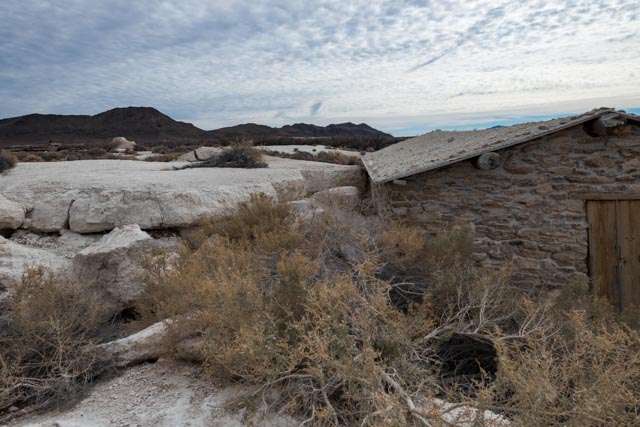
This is the cap of the spring to which the back wall of his cabin was attached. This was an early version of the water cooler.
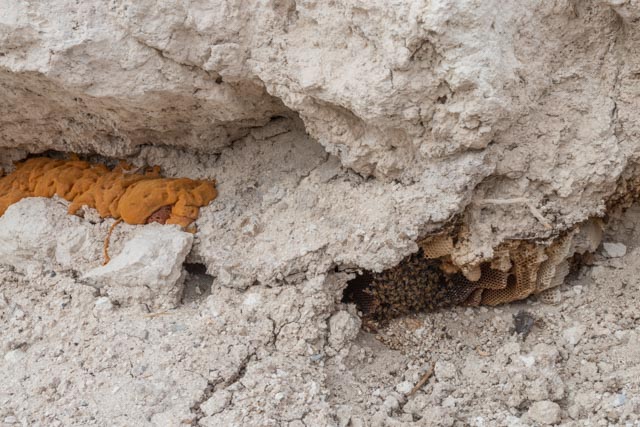
We found this honeycomb (and bees) under one of the ledges on the capped spring.
Our next stop was at the area known as the “Point of Rocks”. We walked into this area in an attempt to see the elusive Chuckwalla lizard, but it was a mite too cool for them to be out. We did manage to spot a little native lizard on the trail back to the truck.
I managed to capture a photo of the elusive endangered Ash Meadows Amargosa pupfish. They are near impossible to see unless there is bright sunlight, as they are only about 1.5 inches long and reflect sunlight. I took this with a 17mm lens so it is not the best shot.

This was one of several holes in the limestone along the path where the Native Americans (Sinagua) ground mesquite beans into flour. The ground the whole bean with either rocks or stumps of the mesquite tree.

Cathy on the trail back from our unsuccessful “lizard hunt”. We passed two smaller, unmarked springs on this hike.

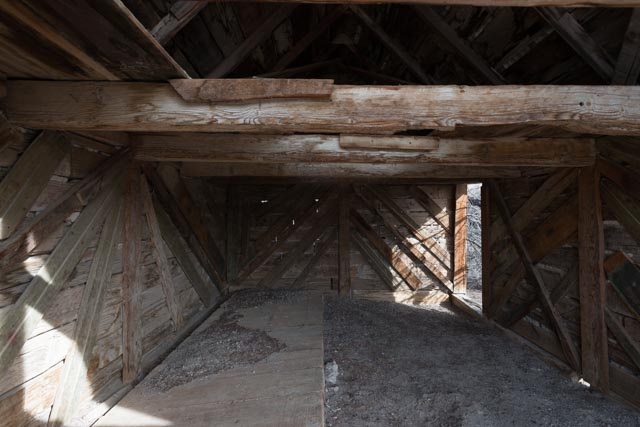
We spotted this barn hidden in the trees. The structure was stout (8 x 8’s) and some of the support work was pretty decorative. Notice the angled support boards on the back and side walls.
This is a feature known as Devils Hole which is actually located within the Death Valley National Park. We hiked into the feature, which is a very deep, water-filled cavern in the rocks, halfway up a hillside. The area is very secure, with perimeter fencing and an enclosed viewing area near the edge. We were completely surrounded by climb-resistant, barbed wire topped fencing, including overhead. The apparatus seen below are devices to measure the endangered species of fish that inhabit this water. This water-filled cavern is home to the smallest and rarest pupfish in the world, the Devils Hole pupfish. The water maintains a temperature of 93°F all year-round. Professional scuba divers from Death Valley National Park have mapped the depth to 500 feet but the bottom has never been found. Three scuba divers broke through the fence in 1965 and two went missing. There were 44 rescue divers that spent three days searching for them but no trace was ever found. An interesting fact about Devils Hole is that within minutes of an earthquake somewhere in the world waves as high as six feet tall have occurred in Devils Hole.

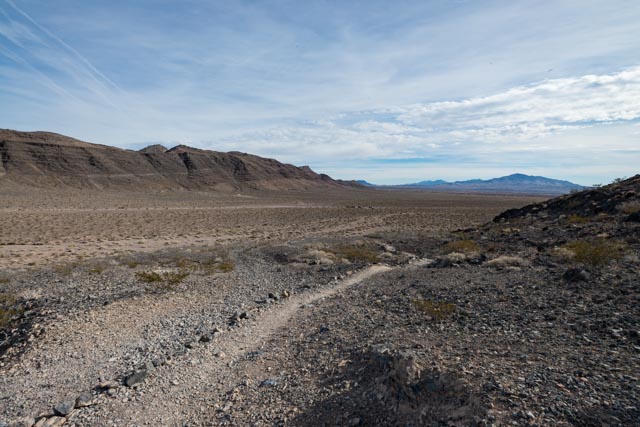
I took a steep trail up to an other entrance into these caves. This is the view looking back towards our truck, which is barely visable in the center of the photo.
This is the alternate entrance to this series of caves and the protection that has been installed to keep humans out:


Cathy spotted a large Northern harrier sitting in the bush watching us intently as we passed. This was our last stop of the day, at the Crystal Spring that we visited yesterday. Since the sun had come out, we thought we could get a better photo of the colors of the spring. The dark areas are a type of moss, about 15 feet underwater.


 Travelling with the Schinglers